Understanding Virtual Staging Quality
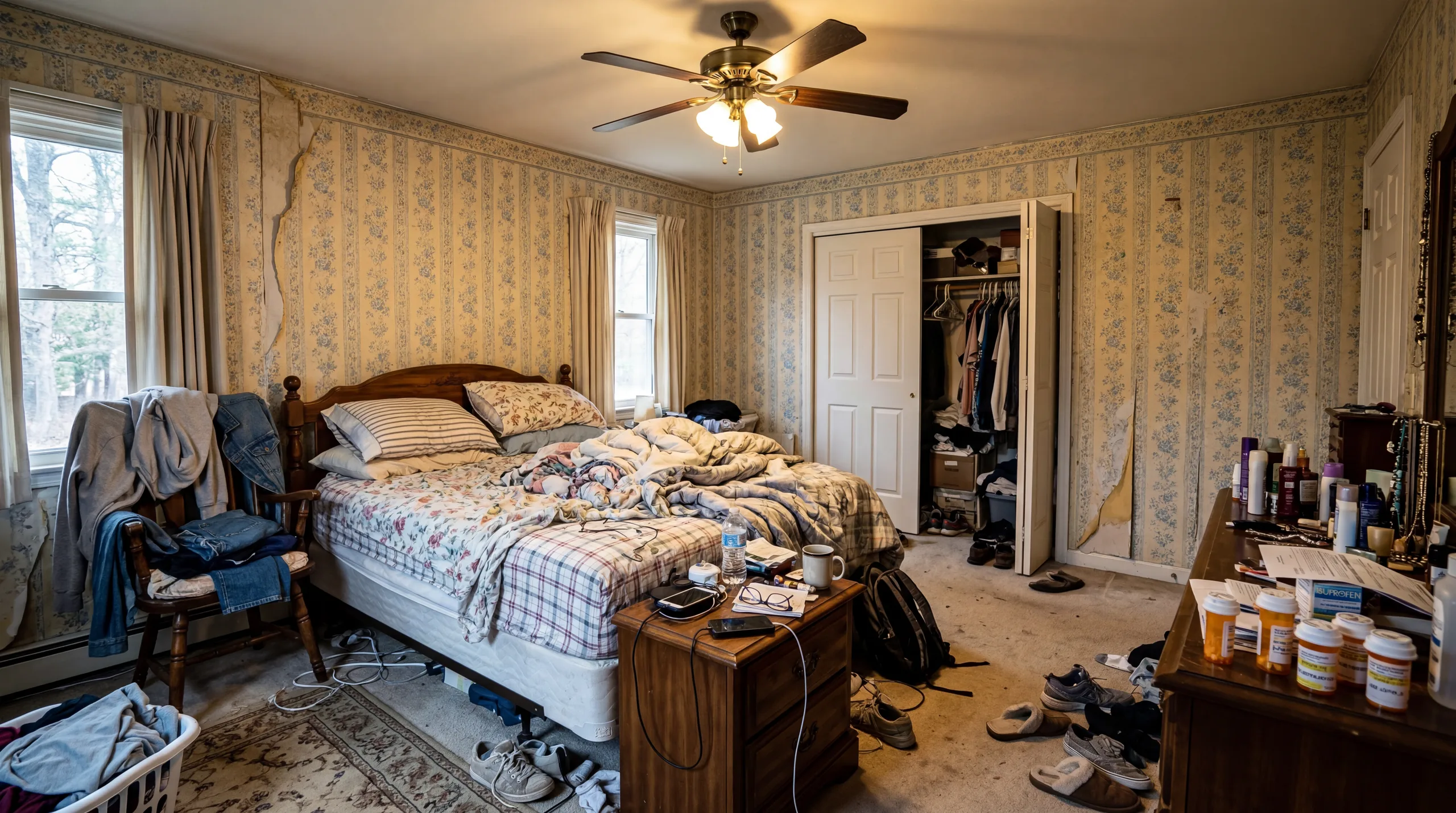
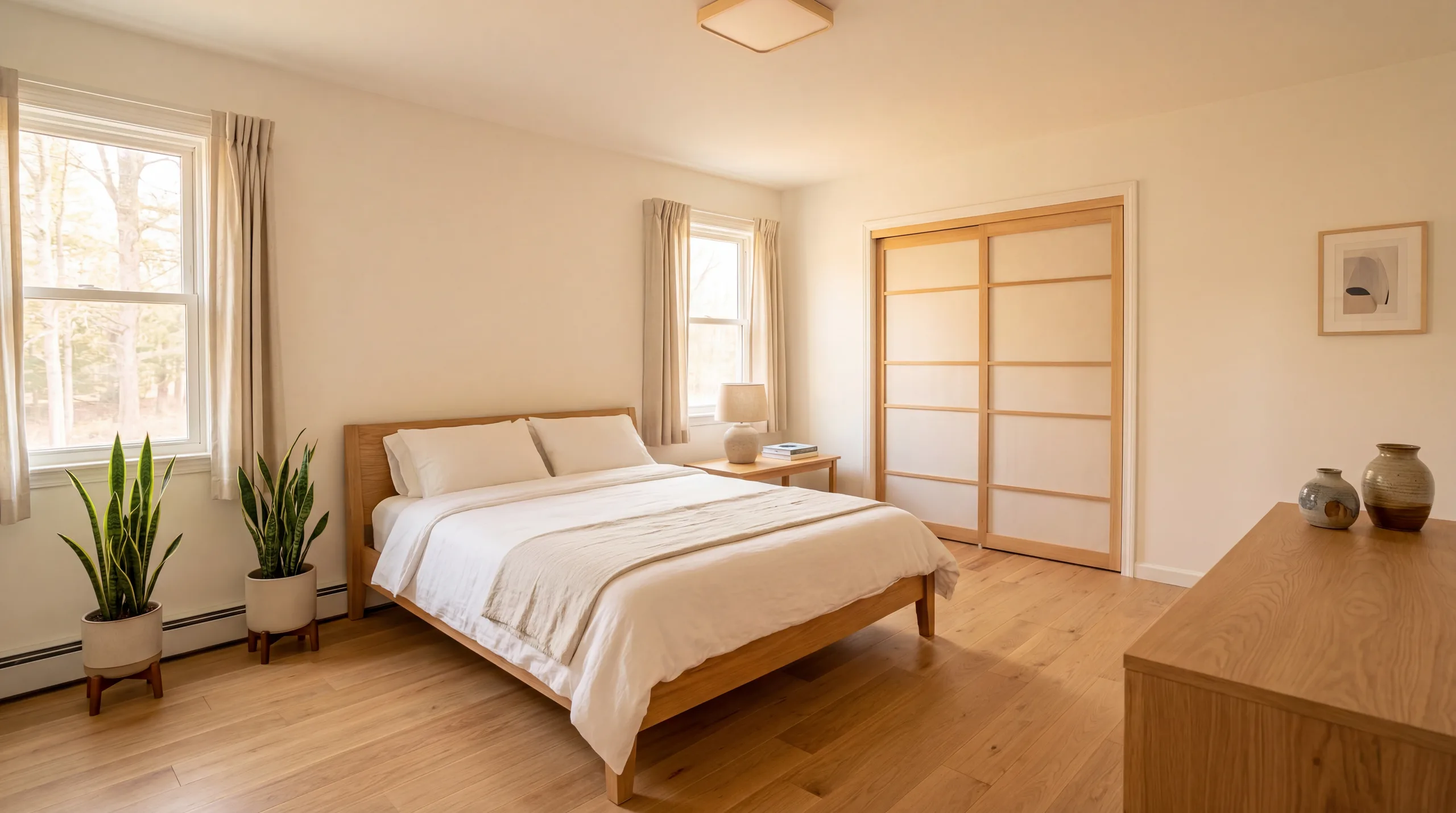
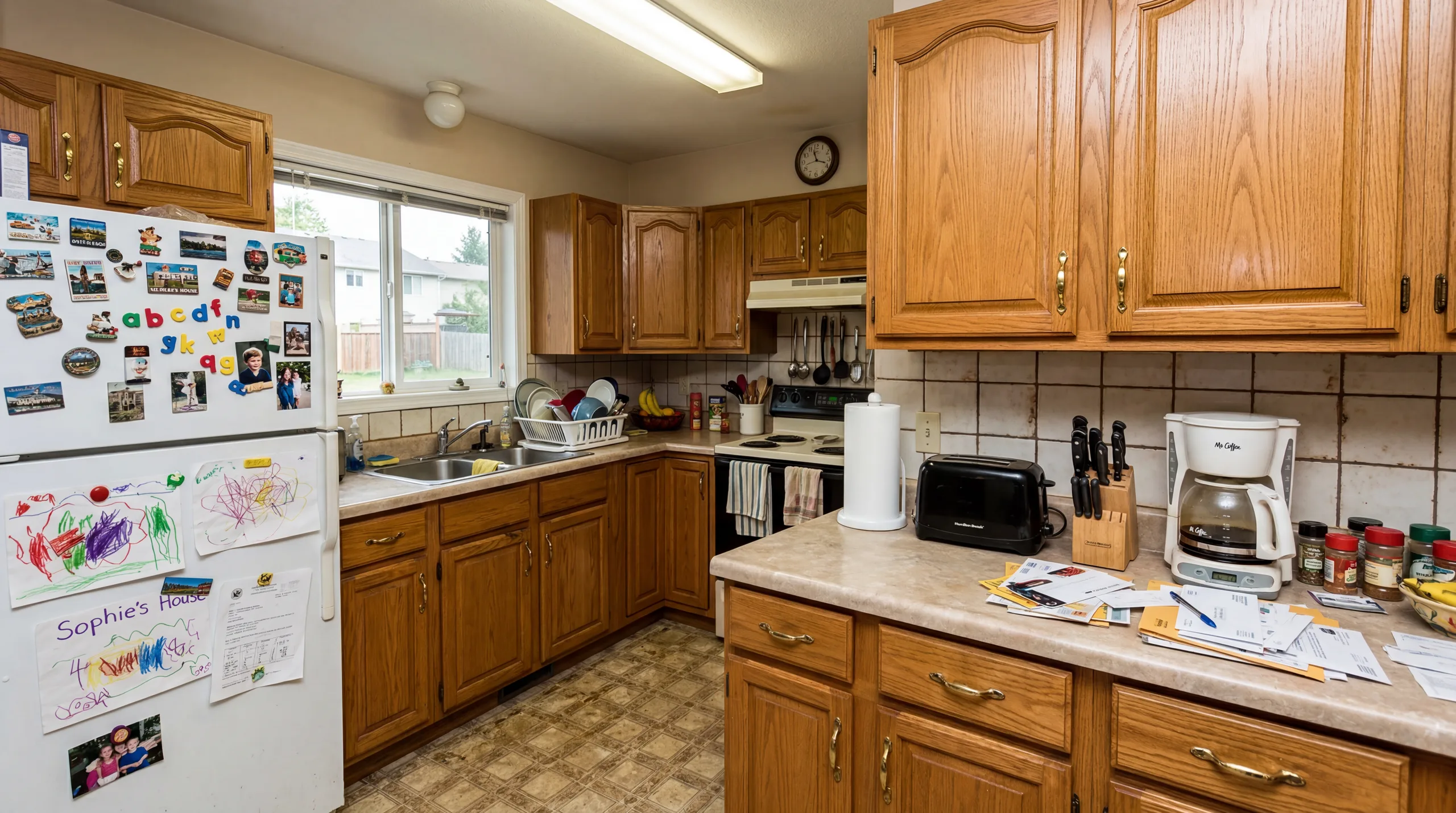
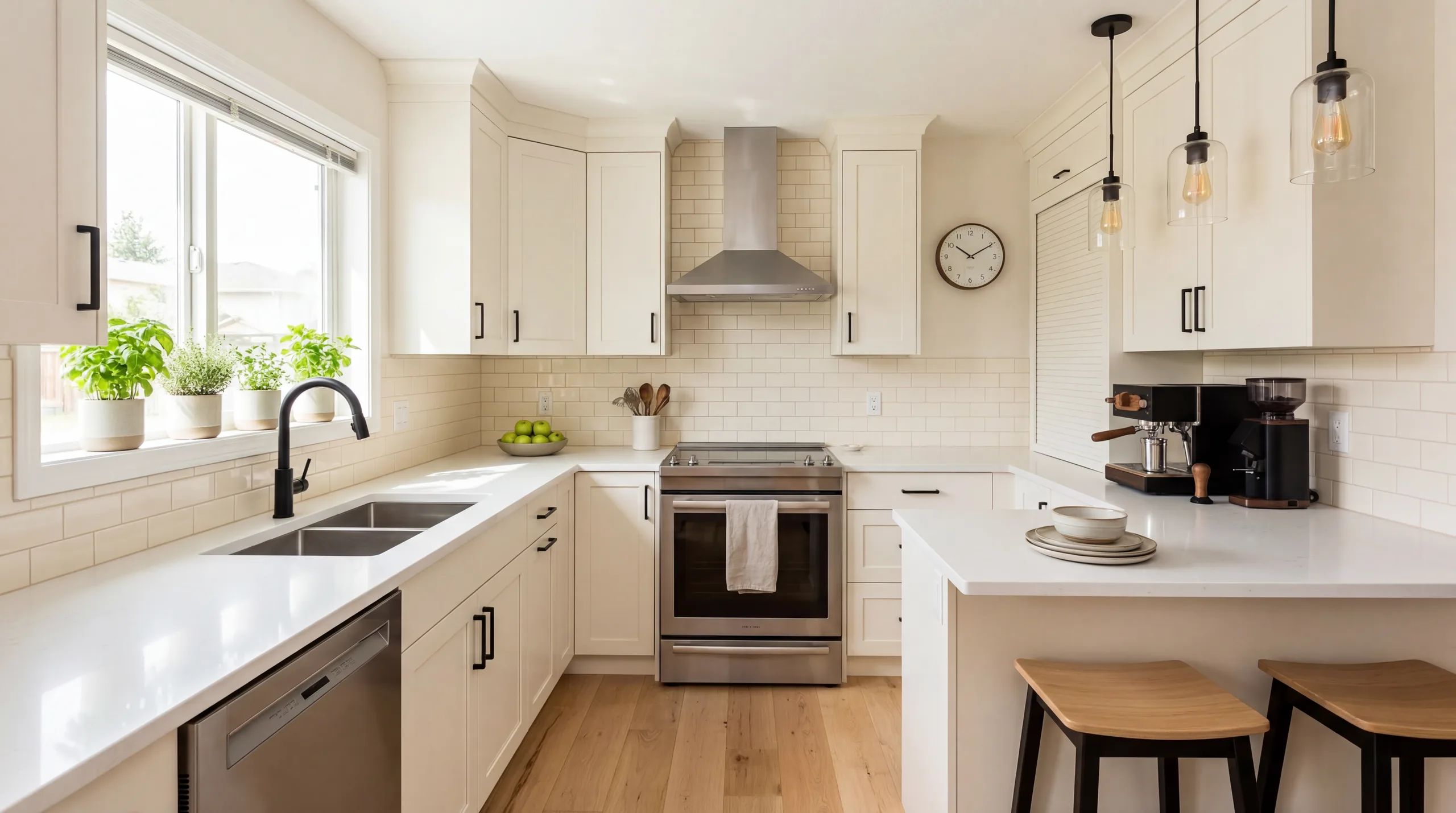
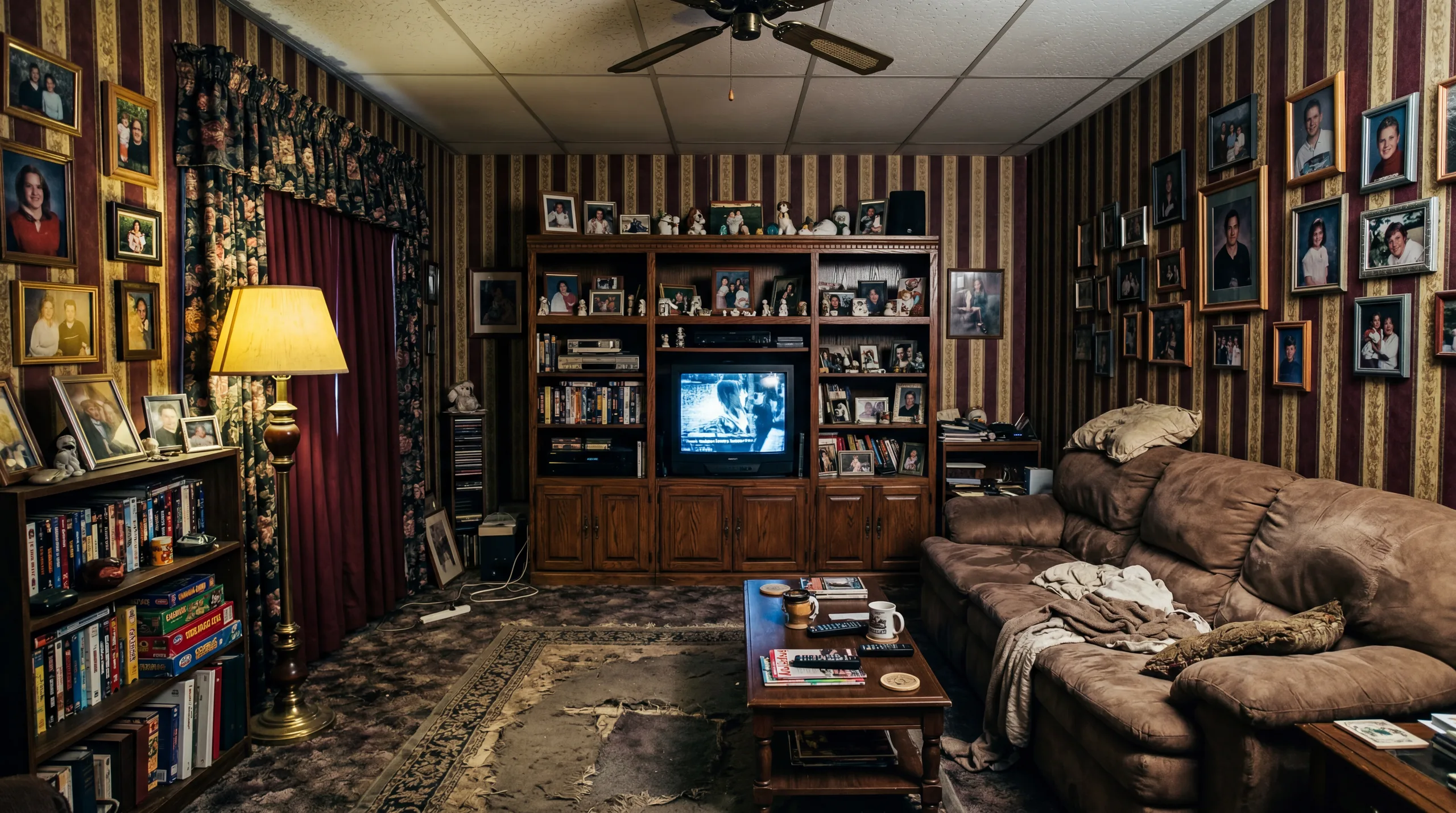
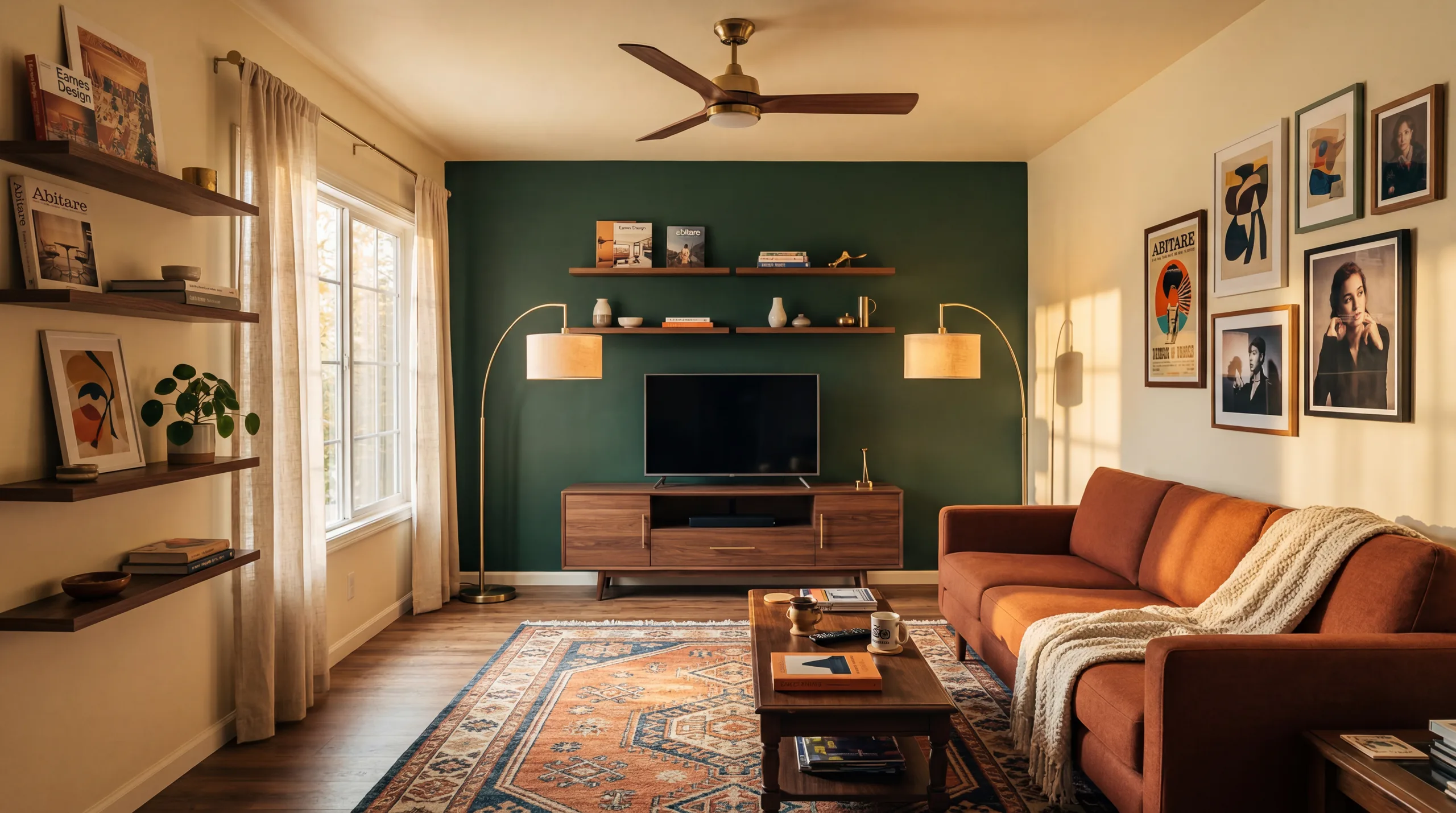
The before and after examples above are review material. Check wall placement, window frames, flooring direction, ceiling line, built-ins, and visible defects against the original before using a staged output publicly.
A useful proof should place furniture in a way that appears plausible for the photo angle. Still, every output needs review: check door clearance, window placement, floor direction, built-ins, and whether furniture scale changes how the room feels.
Lighting and shadows can vary by source photo. Treat the staged image as a candidate export, not a guarantee. If reflections, shadows, or furniture edges make the image feel misleading, regenerate or keep the original photo in the listing set.
Staging Results by Room Type
Different room types showcase different aspects of AI staging quality. Living rooms demonstrate large-scale furniture placement with sofas, tables, and area rugs. Bedrooms showcase textile rendering including bedding, pillows, and curtains. Kitchens show detailed accessory styling on countertops. Bathrooms demonstrate coordinated small-item placement. Dining rooms show table setting and chandelier integration.
Tips for Best Staging Results
- Use well-lit photos with natural daylight for the most inviting staging results
- Photograph from corners or doorways to capture maximum floor space
- Remove all personal items, boxes, and clutter before photographing
- Use landscape orientation, as listing platforms are optimized for landscape images
- Try multiple styles on the same room to find the one that best suits the property
- Use HD (4K) quality for hero listing photos and Standard quality for supplementary angles
Staging Results by Style
Each of our 12 design styles gives a different proof direction. Modern is restrained and easy to review. Scandinavian adds warmth with light wood. Farmhouse works best when the home already supports that character. Browse our style guide to choose a staging direction that fits the room without overstating it.
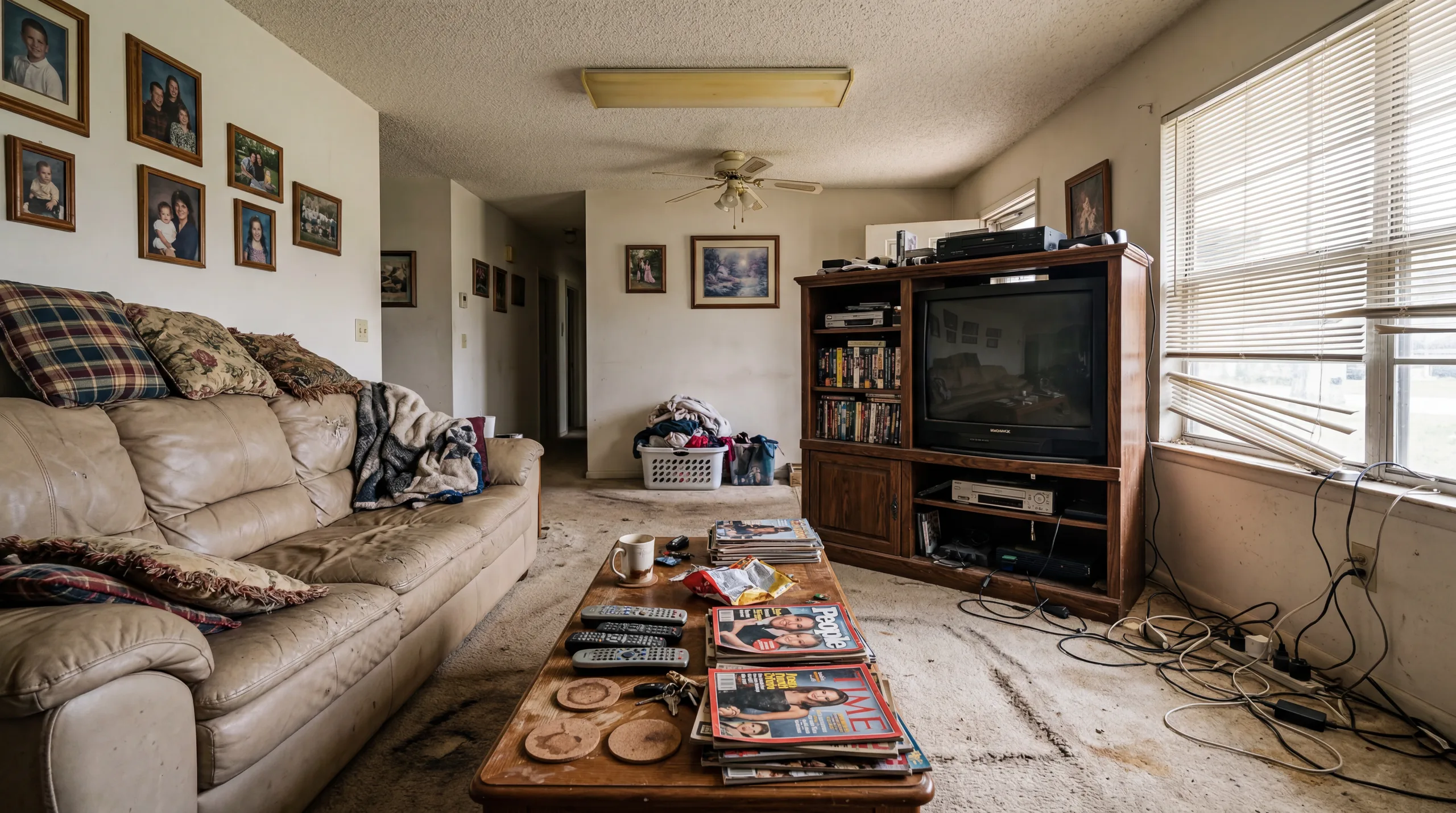 Before
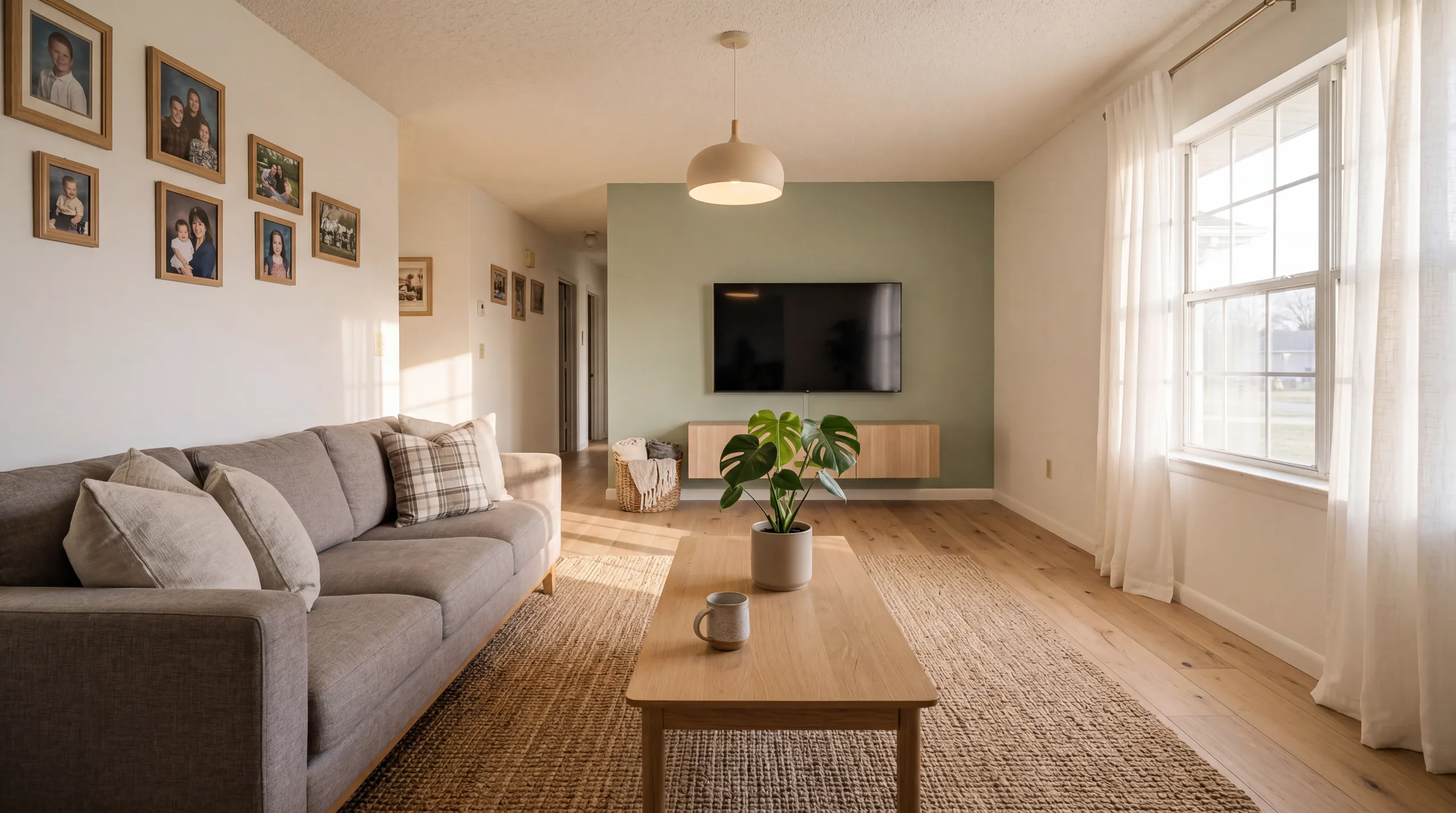 After
After